
After Hospital Care
At Angels Private Home Care, we provide compassionate after-hospital care that helps people return to the comfort and familiarity of their own home with the right support around them.
- Personal Care & Hygiene Support
- Pain & Symptom Monitoring
- Mobility and Moving
- Medication Support
- Nutrition and Hydration Support
- Overnight Care
Personalised Care for a Safe and Reassuring Return Home
Returning home from hospital should feel like a positive step, but it can also bring uncertainty. Your loved one may feel weaker, less mobile or less confident than before. Everyday tasks such as washing, dressing, preparing meals or moving around the home may suddenly feel more difficult.
After hospital care should never feel rushed, impersonal or one-size-fits-all. Every person has different recovery needs, routines, health concerns, family circumstances and preferences, so we take time to understand what matters most before arranging hospital discharge support.
Our team can help with elderly care after hospital discharge, personal care, mobility assistance, medication prompts, nutrition and hydration support, companionship, emotional reassurance and practical help around the home.
We can also work alongside families and relevant healthcare professionals, where appropriate and with consent, to help keep care joined up and responsive.
Our aim is simple: to help your loved one feel safe, supported and listened to at home, while giving families confidence that they are not managing everything alone.
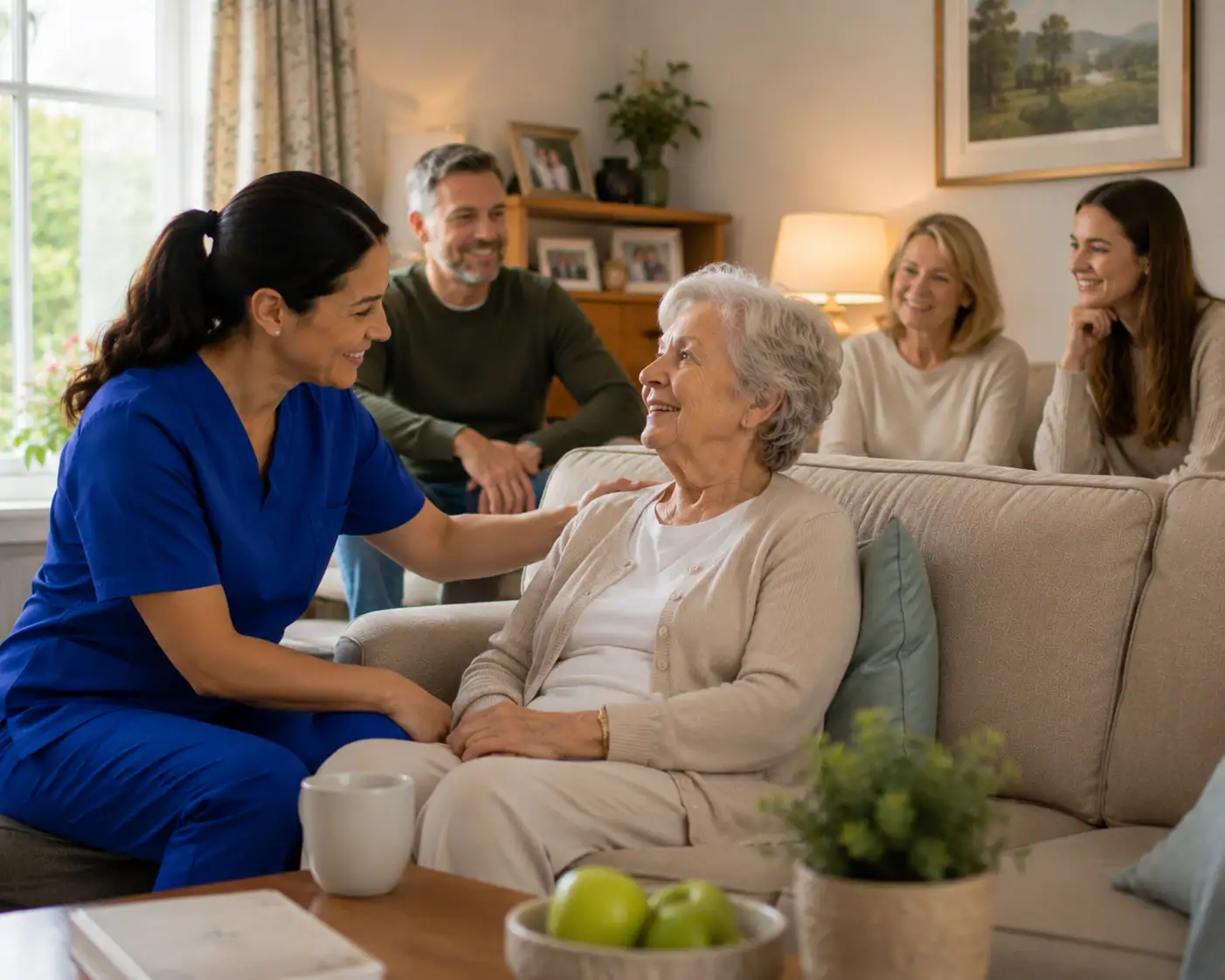
Who Our After Hospital Care Service Is For
Our post-hospital care in Lytham St Annes is for people who are ready to leave hospital but may need extra support once they return home.
This may include people recovering from surgery or hospital discharge, as well as those returning home following an illness, injury or fall. It may also be suitable for someone who has spent an extended period in hospital and is experiencing reduced strength, mobility or confidence.
We can support people who need temporary help during recovery, as well as those whose hospital stay has highlighted a need for ongoing care at home.
Families may also contact us when they are worried that a loved one will struggle alone, particularly when relatives cannot be present throughout the day or provide all the care required.
Every situation is different. We will listen carefully, understand your concerns and help you consider the level of support that may be suitable.
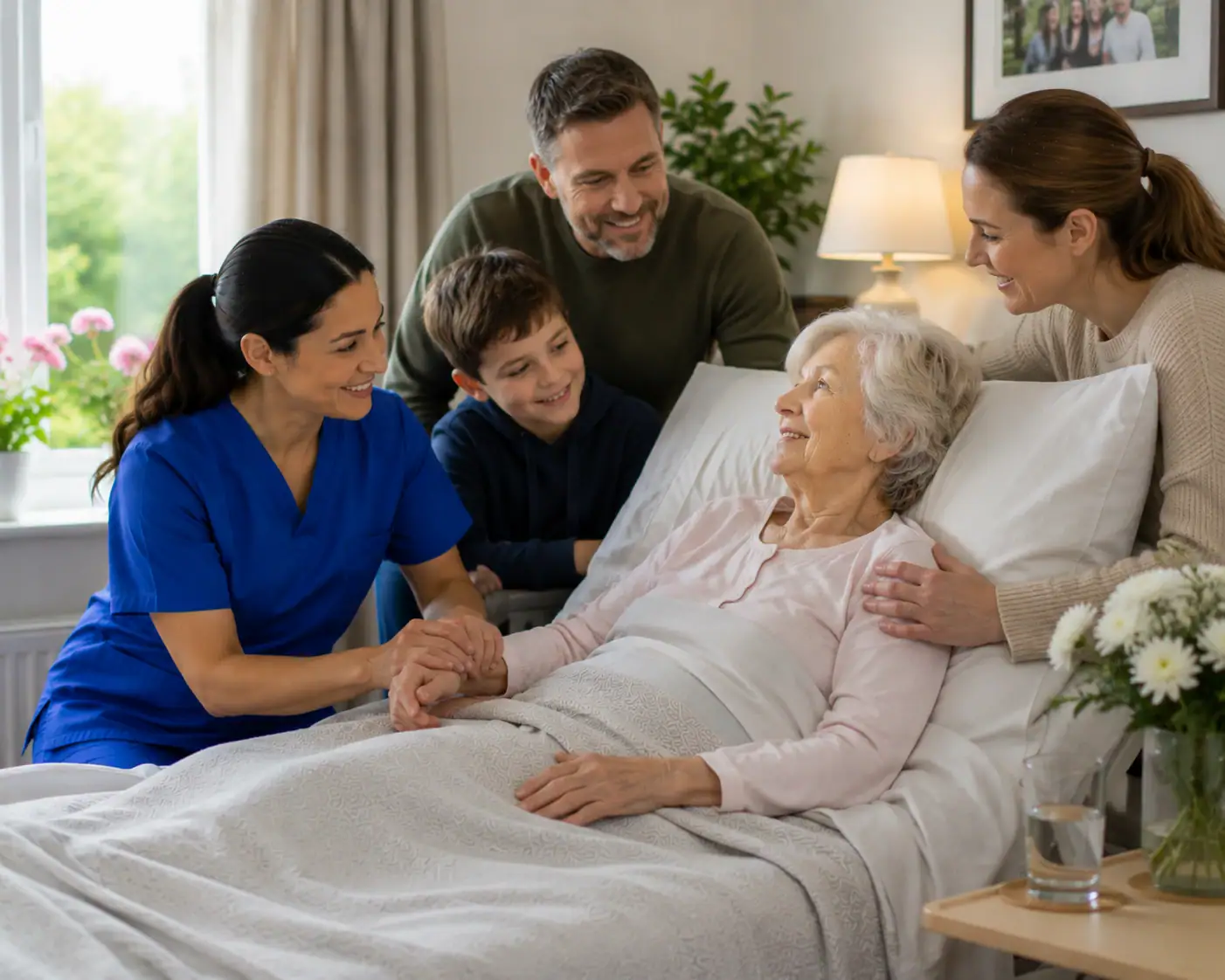
Support With Everyday Life After Hospital
The first few days and weeks at home can feel overwhelming. Once familiar tasks may require more time, energy or assistance, and your loved one may be worried about managing without the support they received in hospital.
Our home care after hospital is built around the person and the way they want to live. We provide help where it is needed while encouraging independence wherever possible.
- Personal Care and Daily Routines: Our carers can provide sensitive support with washing, bathing, dressing, grooming, toileting and continence care.
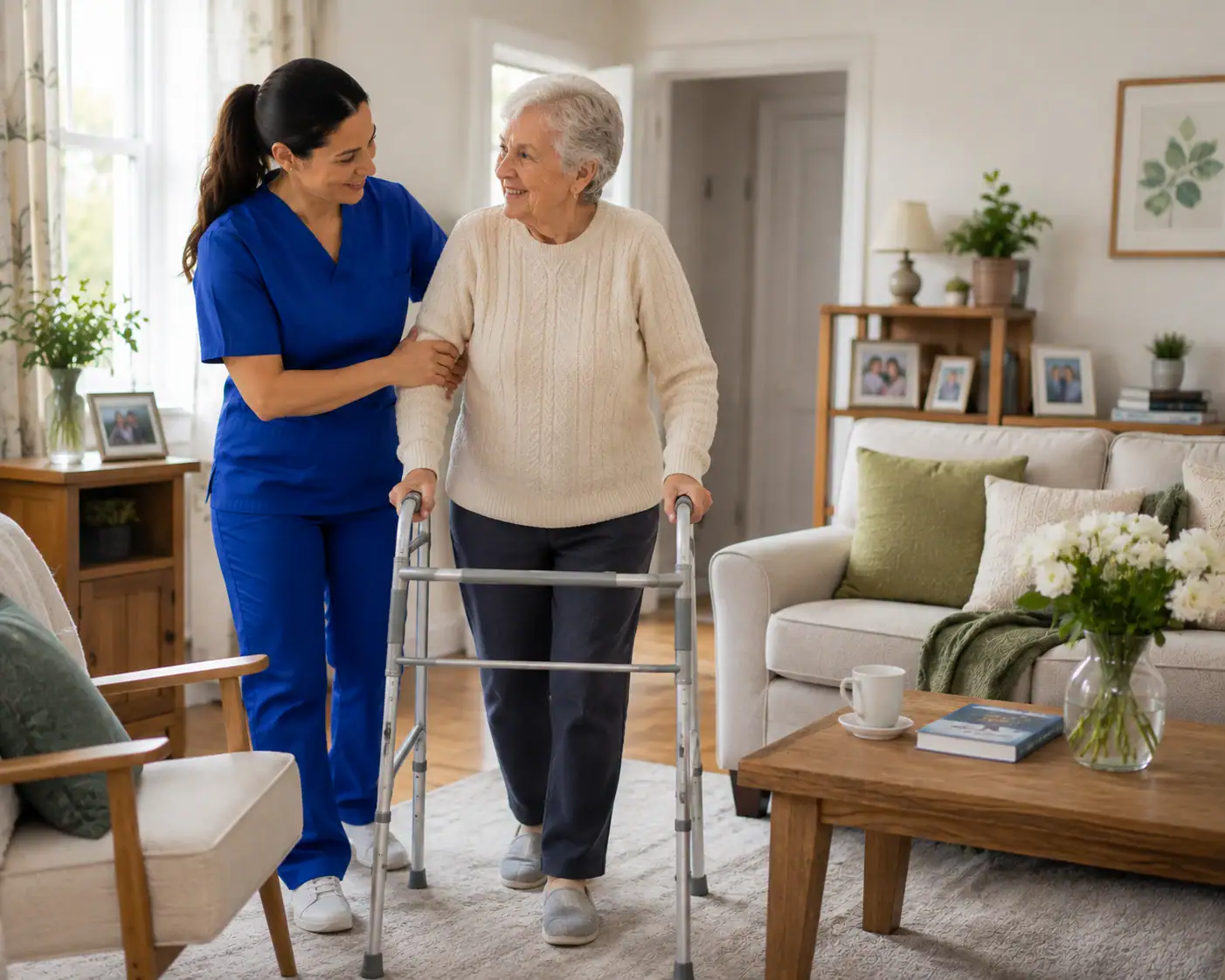
- Mobility and Moving Around the Home: A hospital stay can affect strength, balance and confidence. Some people may feel nervous about getting out of bed, moving between rooms or completing their usual routines.
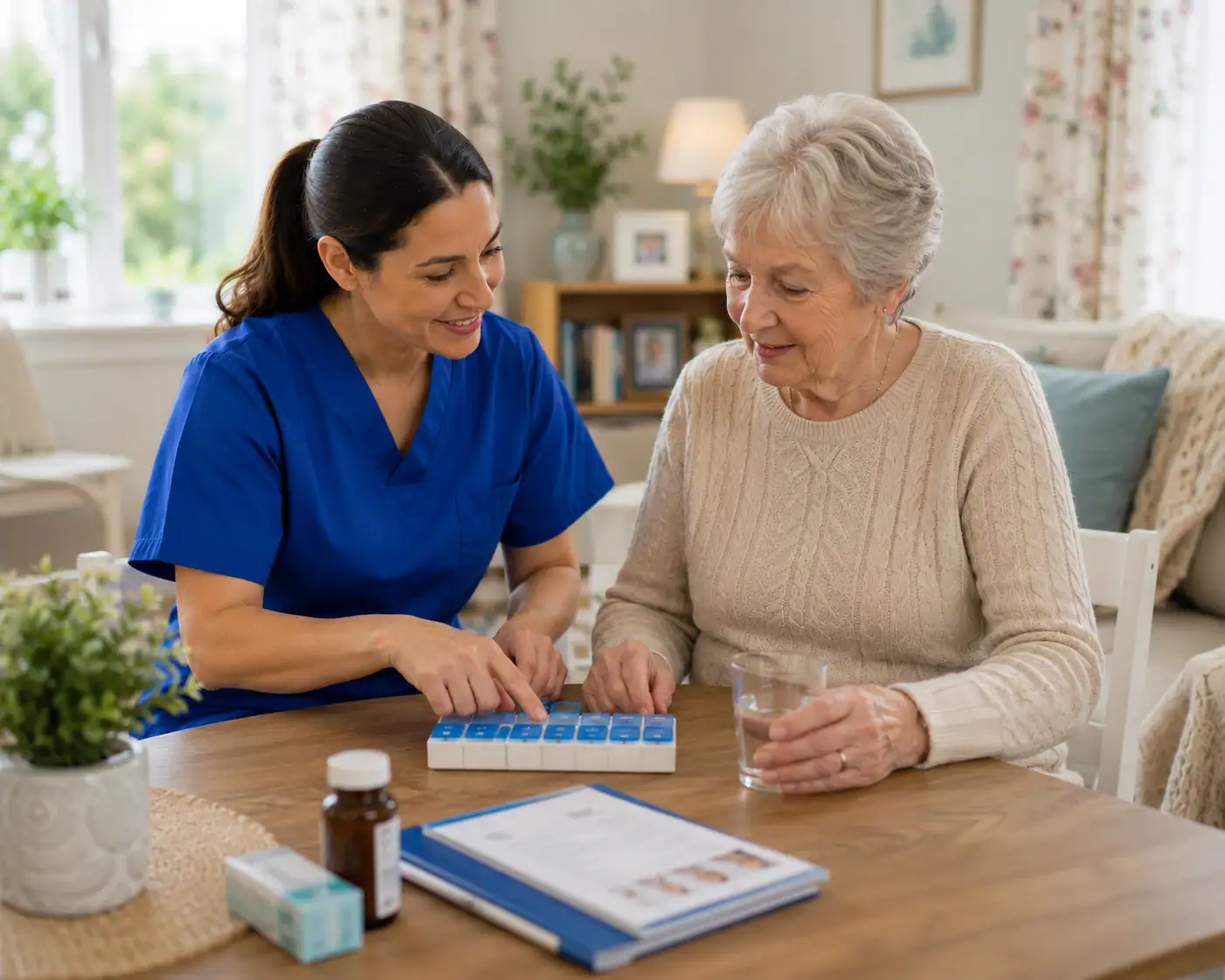
- Medication Support: Where medication support forms part of the agreed hospital discharge care plan, our carers can provide prompts and help your loved one follow their prescribed routine.
- Nutrition and Hydration Support: Our carers can prepare meals, encourage regular drinks and help with shopping.
- Companionship and Emotional Reassurance: Our carers offer companionship, conversation and calm reassurance alongside practical help.
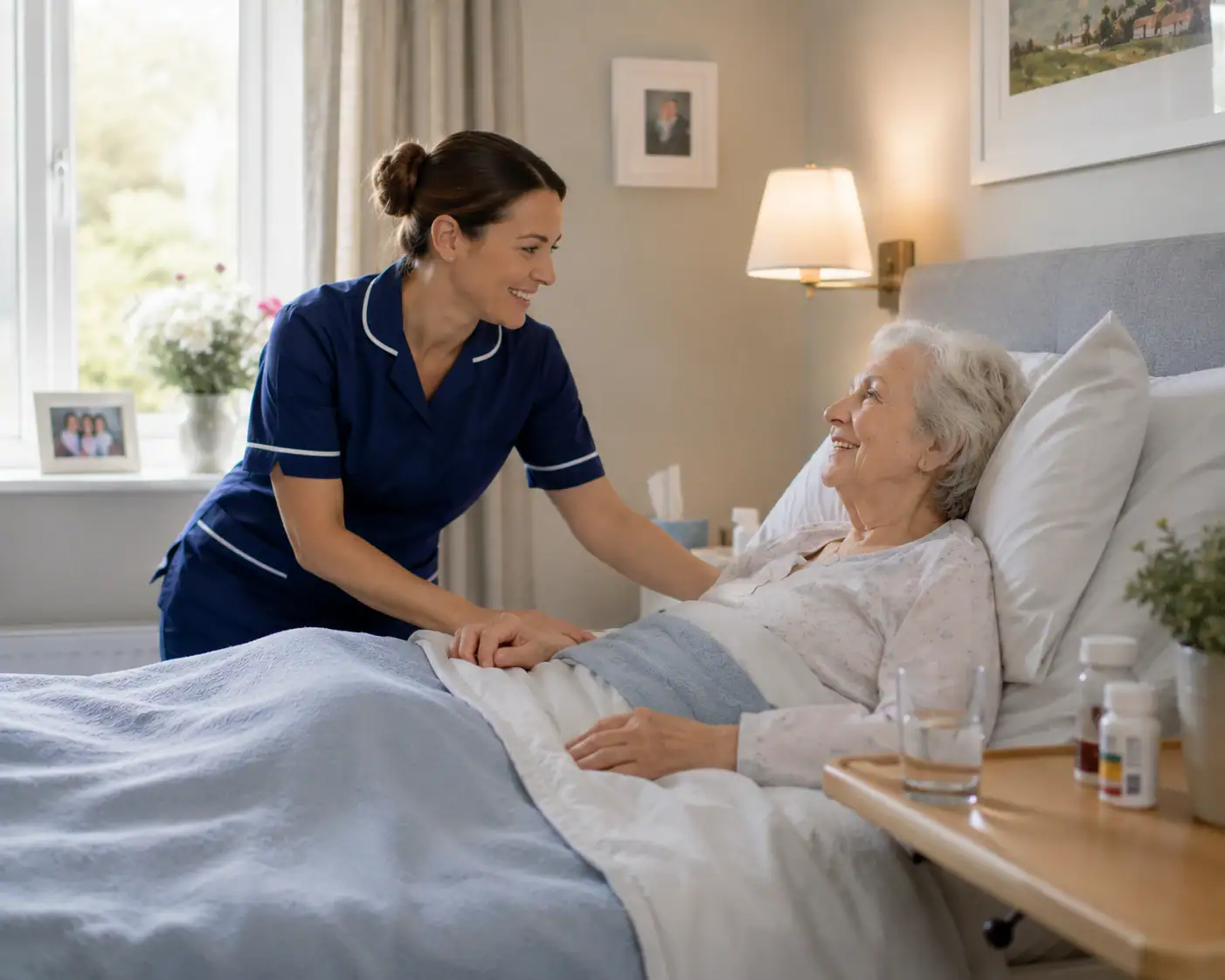
A Doctor-Led Approach to Care After Hospital
People returning home from hospital may be living with frailty, reduced mobility or several health conditions at the same time. Their needs can also change as they recover and settle back into daily life.
At Angels Private Home Care, our doctor-led approach provides an added level of reassurance. Care is overseen by our owner, a Consultant Geriatrician who specialises in the care of older adults.
This clinical understanding supports the way care is planned, reviewed and adapted. It also helps our team remain attentive to changes in areas such as mobility, appetite, confusion, medication routines and general wellbeing.
Where appropriate and with consent, we can communicate with family members and relevant healthcare professionals. This helps families feel informed and supported when concerns arise, or care needs begin to change.
Our approach combines clinical understanding with the warmth, patience and personal relationships that good home care depends on.
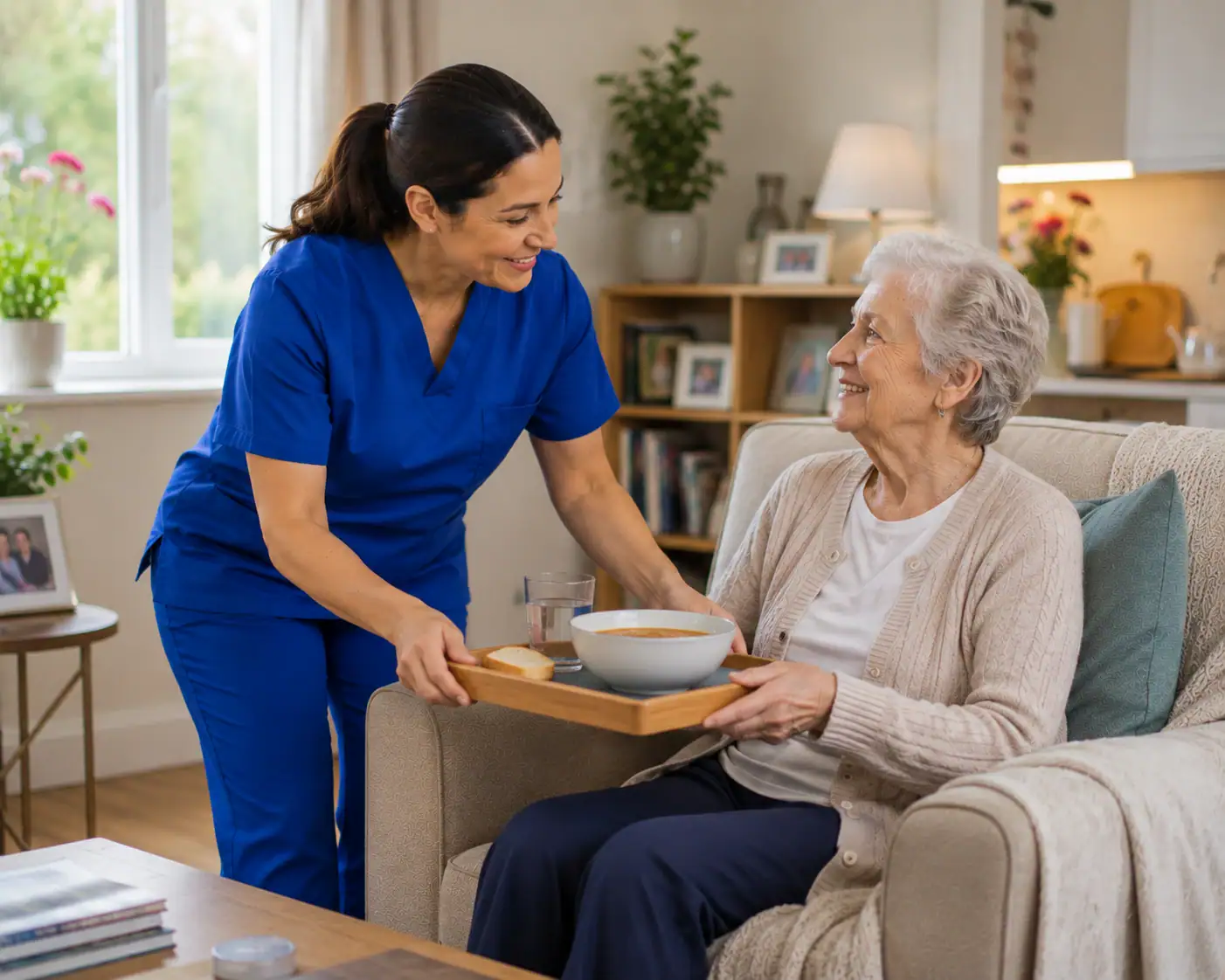
Choosing the Right Level of Care
The right care arrangement will depend on the person’s needs, mobility, confidence and home circumstances.
Visiting Home Care
Visiting care may be suitable when support is required at certain times of day.
A carer may visit to help your loved one get up and dressed, prepare a meal, follow their medication routine or settle comfortably in the evening.
The frequency of visits can be discussed during the assessment and reviewed as recovery progresses.
Live In Care
When someone needs regular help throughout the day, live in care may provide greater continuity and reassurance.
A live-in carer stays in the person’s home and provides dedicated support with personal care, mobility, meals, companionship and everyday routines.
This may be appropriate when occasional visits are no longer enough or when the person feels anxious about being alone.
Nursing Care at Home
Some people leave hospital with needs that require support from a qualified nurse or another healthcare professional.
Where nursing care at home is needed, we can help families understand the type of support that may be appropriate and how it differs from everyday home care.
Why the Right Support Matters After Discharge
The transition from hospital to home can be a vulnerable time.
If care is inconsistent, poorly planned or unable to adapt, the person may feel anxious, and family members may be left unsure about whether the right support is in place.
Important routines around personal care, meals, medication and mobility may also become more difficult to manage when carers do not understand the person or communicate clearly.
A personalised care plan, familiar carers and regular communication can help the return home feel calmer and more manageable.
Home care does not replace treatment or advice from a GP, hospital team, community nurse or emergency service. Its role is to provide reliable personal, practical and emotional support within the person’s own home.
Why Families Choose Angels Private Home Care
Families choose Angels because our care is personal, local and supported by clinical understanding.
We take time to listen to the person and their family before putting care in place. Every care plan is shaped around individual needs, routines and preferences rather than a standard package.
Our carers provide support with warmth, patience and respect. We aim to introduce familiar carers who can build genuine relationships and help each person feel comfortable in their own home.
Our doctor-led approach brings an added level of reassurance, particularly when needs are more complex or begin to change.
We also understand that after hospital care affects the whole family. Clear communication and dependable support can help relatives feel less overwhelmed and more confident about the care their loved one is receiving.
Local After Hospital Care with a Personal Approach
We provide after-hospital care at home across Lytham St Annes and nearby areas. Our local team provides friendly, reliable support that fits naturally into everyday routines.
Speak to our team today to talk through your needs and arrange the right care for you or your loved one.
Confidence From Real Feedback
Speak to the Team
Home support available across Lytham St Annes, Freckleton, Warton, Kirkham & Wesham, Blackpool, Preston and nearby areas